Horses have a way of discovering what the majority of us hurry previous. They check out intention, position, breathing, and whether our hands feel rushed or kind. Step into a barn and you will hear the peaceful work of awareness prior to you even touch a lead rope. That is why restorative horsemanship has ended up being such a stable path for individuals looking for growth. Not a cure-all, not a shortcut, however a grounded technique that instructs existence, communication, and count on a living, responsive partnership.
I have actually invested years at the rail, in round pens, and on routes with households, corporate teams, and people that felt stuck. I have actually watched a gelding pivot his ear and soften a teen's jaw, a mare stop an expert's spiral of self-criticism with a curious breath on his shoulder, and a group of experts realize their clever method would not matter if they kept crowding an equine's area without asking. The steeds are not props. They are partners, and they maintain us honest.
What counts as healing horsemanship
Language in this area can be complicated, so it assists to be clear. Healing horsemanship is a broad term, one that consists of equine-assisted solutions throughout a range. At one end are equine-assisted activities that build skills and confidence, commonly led by certified instructors. At the various other end are clinical interventions, often with a licensed therapist existing, targeted at mental health goals such as stress and anxiety support with steeds or trauma recuperation. In the middle sits equine-assisted training for leadership, personal development, and groups, sometimes called equine-facilitated coaching.
Riding might belong to the job, yet it is not needed. Numerous innovations take place on the ground while brushing, finding out to halter, or identifying exactly how to lead a thousand-pound victim animal with absolutely nothing more than a rope and your breath. Programs differ in emphasis and credentials, so ask whether a solution focuses on health, coaching, or mental health therapy. Equine-facilitated health usually mixes relational skill building with nerves recognition. Equine-assisted training targets interaction and management, both personal and professional.
Why horses assist us learn
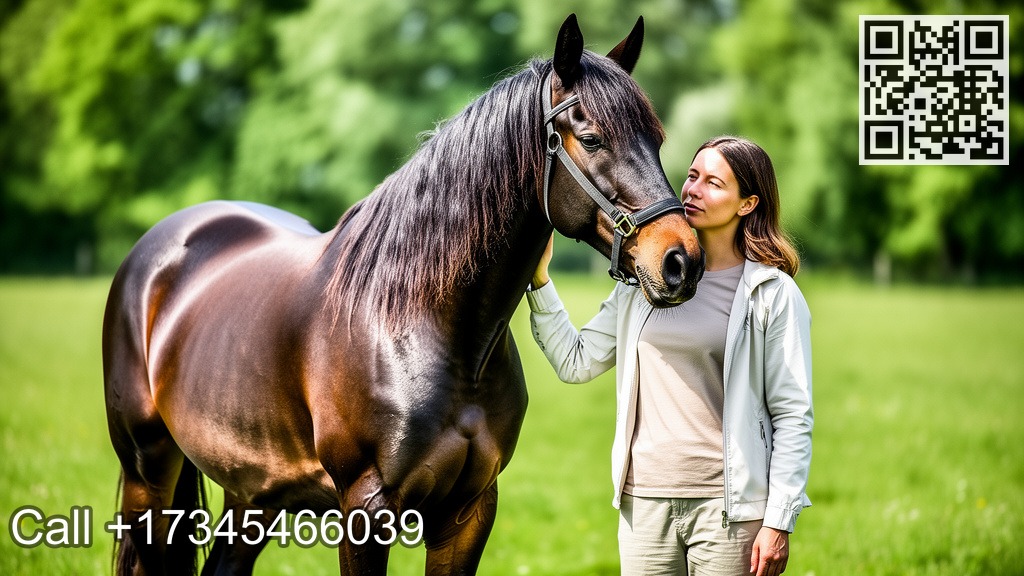
Horses are social, delicate, and bound to the present moment. They co-regulate in herds for safety and security, so they discover the most dependable thing about us, which is our state, not our story. You can tell an equine you are tranquil, however if your shoulders are tight and your steps are clipped, that pet will certainly act upon your real rhythm. This is why experiential knowing with equines sticks. The feedback is prompt and truthful, and when you move your position, your breath, or your focus, the horse reveals you what changed.
There is something else at the office that you can feel however not layout on a whiteboard. Several customers explain a different type of exhale when a horse adopts them, nuzzles their coat, or strolls off at their side without stress on the rope. Somatic healing with steeds is not mystical. It entails focus to interoception, the little signals in our bodies that inform us we are secure or supported, tired or keyed up. When your system resolves, the equine often mirrors that shift. When the horse kicks back first and you match that softness, your system learns safety and security moving. That is better than logic when old patterns are sticky.
A day at the barn, up close
On a normal early morning session, I meet a father and his 10-year-old daughter in the aisleway. She has been detected with ADHD and her instructors tell her she never completes a job. We have actually currently talked about goals with her parents and pediatrician, and we have a strategy that fits ADHD equine learning assistance. The first 10 mins are for arrival and sensory check-in. The aisle smells of hay. We see the scrape of a wheelbarrow, the chink of a little bit somewhere down the row, the mare who views from her stall with one ear cocked forward.
I hand the youngster a curry comb. The mare leans right into the pressure on her shoulder, after that flips her skin where the kid brushes as well gently. We speak about pressure and clarity. We count the strokes to five on each patch of layer and construct a rhythm. The youngster fails to remember the following number, glimpses away, then goes back to locate the mare has actually stepped over, reclaiming her area. Without a lecture, the steed provides her a border. Without reproaching her, the horse invites her to reset. Aloud, we choose what the next five strokes will feel like and what a time out looks like. Forty minutes later she strolls the mare in a circle and stops on her breath alone. We commemorate conclusion, not excellence, and we write down one sentence to recall at home.
Two afternoons a week I switch over equipments for equine-assisted coaching with grownups in career transition. The workouts look straightforward. Theoretically they could appear also easy. Ask an equine to follow you without drawing. Adjustment direction and keep the limit of a slow walk. Switch over leaders at eviction without losing the connection. However within those directions we find patterns clients carry right into the rest of life, like over-functioning, saving, easy conformity, or supporting for rejection. The arena reveals what your team sees when your calendar and your face do not match.
The nerves item, plain and practical
Talk regarding regulation can drift right into lingo, so let me maintain it practical. The majority of us alternative between fight or flight, freeze, and a home window of tolerance where we can assume and relate. Equines enhance just how promptly we relocate between those states. If you stroll right into the round pen with a tangle of thoughts and your jaw set, a steed will certainly either quicken, move away, or support. If you expand your position, soften your ribs, and get particular regarding the following small ask, a steed will normally orient to you again. That is co-regulation in action.
People dealing with stress and anxiety typically believe they need to stop feeling distressed to move forward. Steeds instruct a far better lesson. You can feel your heart auto racing and still make a clear ask. You can be honest regarding your anxiety and still maintain your feet under you. Anxiousness assistance with steeds constructs that muscle mass by training focus, not by getting rid of signs. The metric that issues is not absolutely no anxiety. It is exactly how rapidly you can notice what is taking place in your body and return to an efficient choice.
For sensory difficulties, the barn uses a buffet of input that can be managed and shaped. Different therapy for sensory challenges need to not imply a free-for-all. We purposely regulate input. If the clatter of unguis on concrete really feels frustrating, we begin on soft ground. If the scent of natural leather is basing, we include tack cleansing as a task. With autistic students in an autism equine learning program, I watch for how shifts land, just how much novelty a person can take care of, and whether predictability needs an increase that day. The steed aids here as well. Herd animals grow on clear signals and signs, so clarity supports both partners.
Who advantages, and just how we customize the work
Therapeutic horsemanship has actually assisted a wide variety of individuals, however it is not the very same session for everyone. A couple of examples stand out.
A 15-year-old on the spectrum spent the first month standing at the gate, unwilling to go into the field. Instead of pushing, we constructed a map of the space with painter's tape and let him decide the following mark. Each week he put one tape line even more inside until he picked to lead the equine to a cone near the rail. He needed control of the speed, and the horse needed clarity at work. By session six he was cleaning up hooves, which demands persistence, equilibrium, and trust fund on both sides. His language broadened in little useful ruptureds. He discovered forward, stay, hoof, and thanks at the specific minutes they were needed.
A 32-year-old with anxiety attack started in a round pen at 15 feet. She found out to breathe out with noise, after that to progression while maintaining her shoulders soft. Her horse, a stoic gelding, would certainly quit and lick when she quit over-managing him. He did not reward control, he rewarded congruence. Over twelve weeks her panic episodes decreased in size and intensity. She still had anxiousness, but she had devices that worked under pressure.
An advertising team showed up unconvinced concerning team building with equines. They anticipated count on falls. They left with a brand-new conference policy. In the field, they lastly recognized that their habit of discussing each other seemed like stress to the steed, that maintained leaving the cluster of bodies. When they determined one person would certainly lead at once, with a tidy handoff at each cone, the steed kicked back right into the line with his head low. Back at the office they took on a similar one-voice-at-a-time structure during vital job reviews.
On the ground or in the saddle
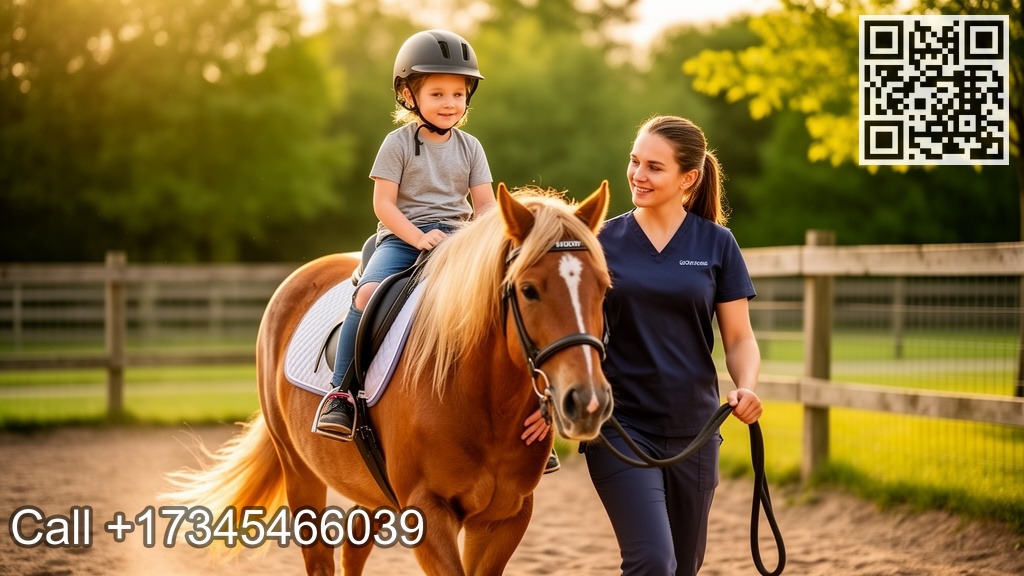
People usually ask if riding is necessary. Groundwork is the spinal column of a lot of programs since it is accessible, safe to range, and rich in information. Yet riding has its very own presents. Placed work can develop core strength, equilibrium, and bilateral sychronisation, especially for kids who long for movement. For an adult, learning to adjust to motion you do not control can change patterns of rigidity. If we ride, we begin with safety and security and consent, both for the individual and the horse. Installing blocks, helmets, tack that fits, and clear dismount plans are non-negotiable.
Some days the best step is to maintain your feet on the ground. A moms and dad in sorrow may benefit more from cleaning a steed's shoulder, matching breath to strokes, than from taking care of reins and stirrups. A professional with a tender back may do far better learning to long-line an equine, a peaceful dancing that constructs timing and lowers strain. The point is not to examine the riding box. The point is to find the right dose of difficulty and support.
What a session really looks like
People imagine a great deal of trotting around and feel surprised by the tiny, specific work that fills up a session. The series below describes a typical, 60-minute arc for equine-facilitated training or equine-facilitated wellness.
- Arrival and evaluation. Examine weather condition, footing, and herd state of mind. Share a brief objective and check for sensory demands, injuries, or large feelings that might alter the plan. Grooming and connection. Pick hooves, brush, and notice actions. Usage brushing to practice stress, boundaries, and requests with a clear start and stop. Skill emphasis. Lead over poles, browse cones, or operate at freedom in a round pen. Select a couple of discrete objectives, such as consistent speed, clear turns, or soft stops. Integration. Time out and review what worked and what moved. Tie the sector lesson to life outside, with one useful action to examination during the week. Goodbye routine and debrief. Thank the equine, return tack, and note any kind of aftercare, such as hydration, stretching, or a slower re-entry if feelings ran high.
The order can flex. On warm days the skill block might precede prior to exhaustion. With a youngster that needs motion, we could stroll a lap prior to grooming. Routine keeps you safe, and adaptation maintains the job alive.
Safety, principles, and the equines themselves
Horses are not tools. Ethical programs prioritize their welfare together with client end results. That includes veterinary care, saddle fit, yield with various other equines, and time off work. A horse asked to carry emotional lots all day without alleviation will certainly sour. I enjoy their ears, their eyes, and their passion in the halter. If a reputable gelding stops meeting me at the gate, I ask why. Commonly the answer is rest.
On the human side, safety begins long prior to the field. Quality equine-assisted solutions maintain participation volunteer, supply clear positioning, and match equine to person thoughtfully. A child that stuns easily does not need a reactive child with a large electric motor. A positive grownup might learn more with a delicate mare who requests accurate limits. Helmets for installed work are standard, and closed-toe footwear are needed for everyone.
Programs should be sincere regarding range. Equine-assisted activities that concentrate on ability structure are not an alternative to treatment. If you look for assistance for injury, anxiety, or facility sorrow, look for a group that consists of a qualified psychological wellness professional. If your goals are management, interaction, or stress and anxiety administration, equine-assisted training or equine-facilitated wellness may be the ideal fit.
Choosing the best provider
Credentials issue, however so does fit. Ask about training, equine welfare policies, insurance, and emergency treatments. See a session prior to signing up when possible. The most effective indicator of a strong program is clear, kind limits for people and horses.
Here is a brief list customers typically locate handy on their initial visit.
- Wear long trousers, closed-toe footwear with some grip, and layers you can shed. Bring water, sunscreen, and any type of inhalers or sensory assistances you count on. Tell your facilitator concerning injuries, causes, or drugs that influence equilibrium or attention. Ask just how the horses live when they are not in sessions, and that supports for their remainder days. Decide on one tiny objective for the day, like consistent pace or a clean quit at the cone.
Notice just how you really feel on the residential or commercial property. If the barn is hurried and loud, if nobody makes eye contact, if the steeds look plain or distressed, keep looking. If the group takes time to greet you, if steeds rest or forage between sessions, and if you hear clear guidelines that respect everybody's dignity, you are most likely in great hands.
For households browsing ADHD, autism, and sensory needs
Parents are often informed to get their kid to sit still. The barn honors the body's demand to move, after that networks that energy right into jobs that require focus without serenity. ADHD equine discovering support may involve walking a pattern of poles, counting strides out loud, and practicing a quit at the very same cone each lap. We build longer attention in chunks. Five mins of routed activity, 2 mins of pet grooming, 5 even more minutes of leading with a brand-new regulation, and one min of calling sensations in the hands or feet.
Children on the spectrum commonly flourish with the barn's predictability and the horse's clarity. An autism equine finding out program will map changes, prepare hints, and allow selection within framework. We may develop an aesthetic prepare for the session with photos of each action, after that enable the child to flip the next card. When a child flips to hooves and chooses the left front, we exercise weight shift and perseverance with each other. Hoof cleaning stretches reciprocal coordination, enhances core stability, and rehearses requesting for assistance without collapsing.
For sensory seekers, brushing can offer healthy and balanced input that satisfies without dysregulating. For avoiders, we reduce and call one sensation at a time, from the brush's bristles to the horse's breath on a sleeve. Alternative treatment for sensory challenges implies both respecting limits and carefully increasing them. The steed, by reacting without judgment, minimizes the social risk that can derail progress.
For adults and teams that desire abilities that stick
Equine-assisted coaching has grown because it fixes a problem many workshops can not. You can understand a leadership idea and still not symbolize it when emphasized. In the field, your body can not fake it for long. If you say you value partnership however you drag the rope and ignore the steed's signals, the separate shows up. If you overcorrect every mistake in your colleague, the equine will really feel that tightness and press away.
Teams find out faster with stakes they can really feel. One executive team invested half an hour falling short to lead an equine with a collection of poles, blaming the equine for being stubborn. The equine was not stubborn. He was perplexed by six people giving him guidelines at the same time. When they selected one leader and 2 watchmans, they prospered in three mins. Afterward they confessed their once a week conference had the same mayhem. The field provided a physical memory of what quality really https://cesarrroe409.cavandoragh.org/based-by-hooves-somatic-healing-with-equines-on-the-farm felt like.
For solo experts, equine-facilitated training clears up patterns you can not see alone. I collaborated with an owner who kept hiring strong prospects, after that micromanaging them out the door. In the sector he made lovely asks, then corrected his horse every 2 steps also when the horse abided. The horse started ignoring him. When the owner learned to make the ask and after that trust his partner, the equine remained with him. Back at the workplace he practiced the exact same restraint and his retention improved.
Measuring progress without reducing the magic
Accountability lives along with marvel below. We track outcomes in basic means. A youngster that might not end up a grooming series now completes curry, brush, and hoof badger the left side with minimal prompts. A grownup that arrived with everyday panic attacks now averages 2 each week, shorter in duration, making use of breath and movement to browse them. A group that burned hours in meetings now leaves with choices made in half the time.
Numbers aid, therefore do stories. I ask clients to note one concrete change they or others notice in day-to-day live. Much better sleep. Less sibling blowups. A calmer college drop-off. A conference where people left sensation heard. Healing horsemanship works due to the fact that it moves from the arena into the cooking area, the workplace, and the school hallway.
Trade-offs and truthful edges
This area requests humility. Not everyone will love horses. Allergies matter. Climate matters. Some days the mud is ankle deep and we remain under the overhang with a brush and a stool, which is still worthwhile if you devote to the process. There are minutes when development resembles remaining on a mounting block and weeping while a steed grazes close by. Promoting a development every week is a mistake. Horses regard consistency greater than heroics.
Money and gain access to are real obstacles. Procedure variety extensively in cost, and not all insurance coverage covers equine-assisted solutions. Scholarships and group sessions can assist, and some barns companion with nonprofits to improve accessibility. Ask. Individuals want to help more than you may think.
Providers make trade-offs also. A small barn with three horses could use intimacy yet fewer timetable options. A bigger center could have a lot more accessibility and peer groups, but less flexibility on the fly. The appropriate selection relies on your requirements and your gut.
Getting started without overthinking it
You do not need to be an equine individual to begin. Curiosity is enough. Call a program, share your objectives, and ask for a trip. Fulfill the horses. View a lesson. Stand by the rail and simply take a breath for a minute. If your shoulders drop and your voice clears up, you have actually currently felt the begin of equine-facilitated wellness.
If you sign up, maintain the very first 3 weeks simple. Begin time. Put on shoes you do not mind getting dusty. Bring water. We will certainly build the remainder with each other. Gradually you might locate your stance softening in the grocery store line, your words reducing when your youngster needs an added beat, or your group redirecting a meeting when it gets crowded with competing schedules. Those are barn skills showing up where they count.
The best action I recognize is the view a customer's face when a thousand pounds of equine picks to stroll next to them without a tug on the rope. Because minute partnership changes performance. Brave beginnings do not require blowing. They request for visibility, a willingness to find out, and respect for a partner who talks via activity more than words. When you offer that respect, horses supply back a kind of truth that can transform just how you relocate through the rest of your life.